
The Ultimate Guide to Choosing the Right Home Blood Pressure Monitor
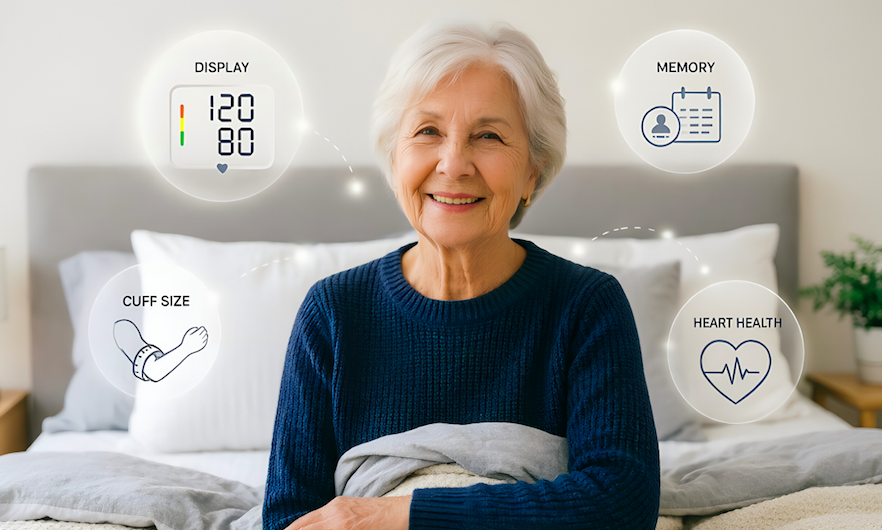
Monitoring your blood pressure at home is one of the most proactive steps you can take toward maintaining cardiovascular health. Whether you are managing hypertension, tracking the effects of lifestyle changes, or simply keeping an eye on your family’s well-being, having a reliable monitor is essential.
However, with countless models and features flooding the market, finding the perfect device can be overwhelming. This comprehensive guide will help you navigate the options and select a blood pressure monitor that best fits your unique needs.
1. Upper Arm vs. Wrist Monitors: Making the Right Choice
The first and most critical decision is choosing between an upper arm (brachial) monitor and a wrist monitor.
- Upper Arm Monitors: These are widely considered the gold standard for home use. Because they measure blood pressure closer to the heart, they generally provide more stable and accurate readings. They are highly recommended for older adults, individuals with diagnosed hypertension, and anyone requiring long-term tracking.
- Wrist Monitors: These devices are compact, lightweight, and highly portable, making them ideal for frequent travelers. However, they are highly sensitive to body position. To get an accurate reading, your wrist must be held at the exact level of your heart. They are generally better suited for occasional checks rather than primary medical monitoring.
2. The Importance of Cuff Size
One of the most common reasons for inaccurate home readings is an improperly sized cuff. A cuff that is too small can artificially inflate your blood pressure reading, while one that is too large can result in a falsely low reading.
Before purchasing, use a soft measuring tape to measure the circumference of your upper arm (midway between your shoulder and elbow). Compare this measurement to the manufacturer’s sizing chart to ensure a proper fit. If multiple family members will be using the device, look for models with adjustable or universal cuffs that accommodate a wider range of arm sizes.
3. Display and Readability
A monitor is only useful if you can easily read the results. For users with vision challenges, prioritize devices with large, backlit digital displays. Clear, well-spaced numbers for systolic pressure, diastolic pressure, and pulse rate are essential. Some monitors also feature color-coded indicators that instantly show whether your reading falls within a healthy, elevated, or high range.
4. Memory Storage and Multi-User Profiles
Tracking trends over time is far more valuable than looking at a single reading. Look for monitors with robust memory storage that automatically saves readings with date and time stamps.
If the device will be shared among family members, opt for a model with multi-user profiles. This feature keeps everyone’s data separate, preventing confusion and making it much easier to share accurate history with healthcare providers. Some advanced models even calculate the average of your recent readings, giving you a clearer picture of your baseline blood pressure.
5. Smart Connectivity and App Integration
For those who love data, Bluetooth-enabled monitors can sync directly to smartphone applications. These apps can generate visual trend charts, store long-term history, and even allow you to export PDF reports for your doctor. While not strictly necessary for basic monitoring, smart connectivity can significantly enhance long-term health management.
6. Advanced Health Features
Many modern monitors include additional health screening tools, such as irregular heartbeat (IHB) or atrial fibrillation (AFib) detection. If the device senses an irregular pulse during measurement, it will alert you. While this is a valuable early-warning feature, it is important to remember that it is for informational purposes only and does not replace professional medical diagnosis.
7. Ease of Use and Accessibility
Consistency is key to effective blood pressure management, so the device should be as user-friendly as possible. Features like one-touch operation, automatic cuff inflation, and clear audio prompts can make a significant difference, especially for elderly users. Automatic shut-off is also a great feature for preserving battery life.
8. Brand Reputation and Clinical Validation
Always choose a monitor from a reputable medical device manufacturer. Look for products that have been clinically validated and meet international accuracy standards (such as those set by the AHA, ESH, or BHS). Reliable brands also offer better warranties, customer support, and replacement parts like cuffs.
Your Quick Selection Checklist
Before making your final purchase, run through this quick checklist:
- Is it an upper arm monitor (unless portability is the top priority)?
- Does the cuff fit the user’s arm circumference accurately?
- Is the display large, clear, and easy to read?
- Does it have sufficient memory storage and multi-user capability?
- Are advanced features (like AFib detection or Bluetooth) actually needed?
- Is the operation simple enough to encourage daily use?
- Is the brand clinically validated and reputable?
Ultimately, the best blood pressure monitor is the one that provides accurate readings and is so easy to use that it seamlessly integrates into your daily routine. Empowering yourself with the right tool is the first step toward taking control of your heart health.