
Mastering Accuracy: 10 Essential Tips for Using Forehead Thermometers
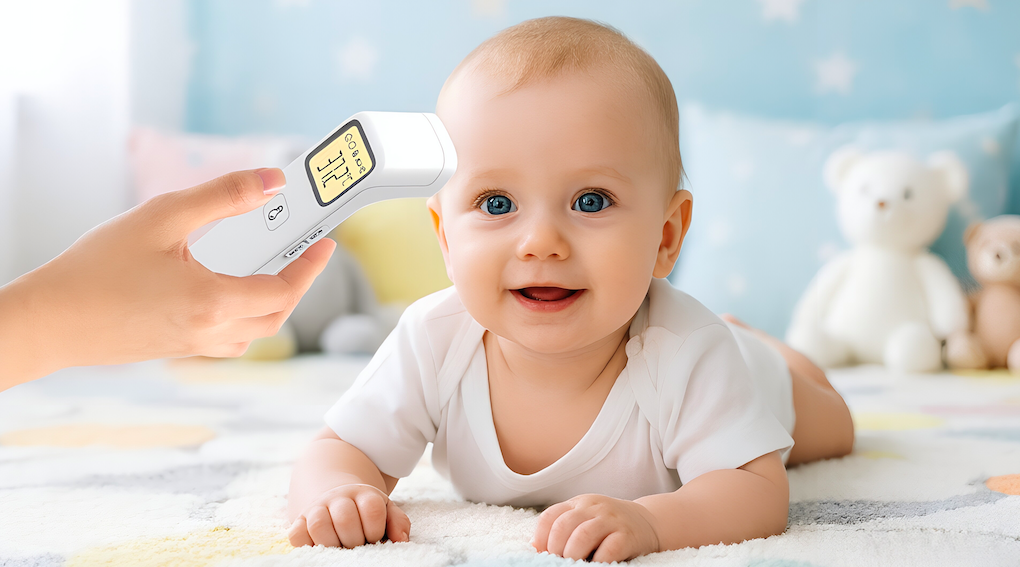
Infrared forehead thermometers have become a staple in households and clinics worldwide, prized for their speed, hygiene, and non-contact operation. However, a common complaint among users is inconsistent data—getting different readings just moments apart.
If you’ve ever questioned the reliability of your device, the issue often lies not with the hardware, but with the technique. Environmental factors and user habits play a massive role in the precision of infrared sensors.
Here is a comprehensive guide to eliminating errors and ensuring you get the most accurate temperature readings possible.
Understanding the Variables
Before diving into the tips, it is helpful to understand why discrepancies occur. Infrared thermometers measure heat radiation from the skin. Therefore, anything that alters skin temperature—such as sweat, airflow, or ambient room temperature—can skew the results.
Here are 10 expert tips to optimize your measurement process.
1. Maintain the “Sweet Spot” Distance
Precision starts with positioning. Most manufacturers recommend holding the thermometer 3 to 5 centimeters away from the forehead.
- Too far away: The sensor may pick up background radiation, lowering the reading.
- Too close: You risk blocking the sensor’s field of view or physically touching the skin, which can transfer heat.
2. Stabilize the Environment
Avoid taking measurements immediately after moving between extreme temperatures (e.g., walking in from a freezing winter day or a hot car).
- The Fix: Allow the person being measured to sit in the testing room for at least 10 to 15 minutes to let their body acclimate to the ambient temperature.
3. Ensure a Dry Forehead
Moisture is the enemy of infrared accuracy. Sweat cools the skin through evaporation, which can lead to a falsely low temperature reading.
- Action: Gently wipe the forehead dry before measuring. Ensure the area is free of hair, hats, or headbands that might block the sensor.
4. Wait After Physical Exertion
Exercise increases blood flow to the skin, temporarily raising surface temperature.
- The Rule: Wait at least 15 to 30 minutes after physical activity, bathing, or eating before taking a reading to ensure the body has returned to a resting state.
5. Keep the Lens Pristine
The sensor lens is the “eye” of the thermometer. Dust, oil, or smudges can obstruct the infrared signal.
- Maintenance: Regularly clean the probe tip with a soft cloth or a cotton swab lightly moistened with alcohol. Let it dry completely before use.
6. Standardize Your Measurement Spot
Consistency is key for tracking trends. The center of the forehead is generally the most reliable location.
- Technique: Avoid moving the thermometer around. Aim for the center of the forehead, roughly midway between the eyebrow and the hairline, and keep the device perpendicular to the skin.
7. Monitor Battery Health
A weak power source can lead to unstable performance. As batteries deplete, the voltage may drop, causing the internal electronics to function erratically.
- Tip: Replace batteries at the first sign of a low-power warning. Do not mix old and new batteries.
8. Let the Device Acclimate Too
Just like your body, the thermometer needs to adjust to its surroundings. If the device was stored in a cold car or a hot warehouse, bring it into the room and let it sit for 20 minutes before turning it on.
9. Know Your Margin of Error
No medical device is perfect. Clinical-grade forehead thermometers typically have an accuracy range of ±0.2°C to ±0.3°C.
- Perspective: If you take three readings and they vary slightly within this range, the device is likely working correctly. Look for the average rather than a single exact number.
10. Invest in Quality Technology
Not all sensors are created equal. High-quality medical devices often feature advanced algorithms that compensate for ambient temperature changes and skin emissivity.
- Upgrade: If accuracy is a priority, choose a device known for medical-grade sensors and robust build quality.
Final Thoughts
By following these ten guidelines, you can significantly reduce the margin of error and trust the data your thermometer provides. Accurate temperature monitoring is the first step in effective health management.
Note: While home monitoring is valuable, always consult a healthcare professional if you suspect a fever or have concerns about your health.